AGP Executive Report
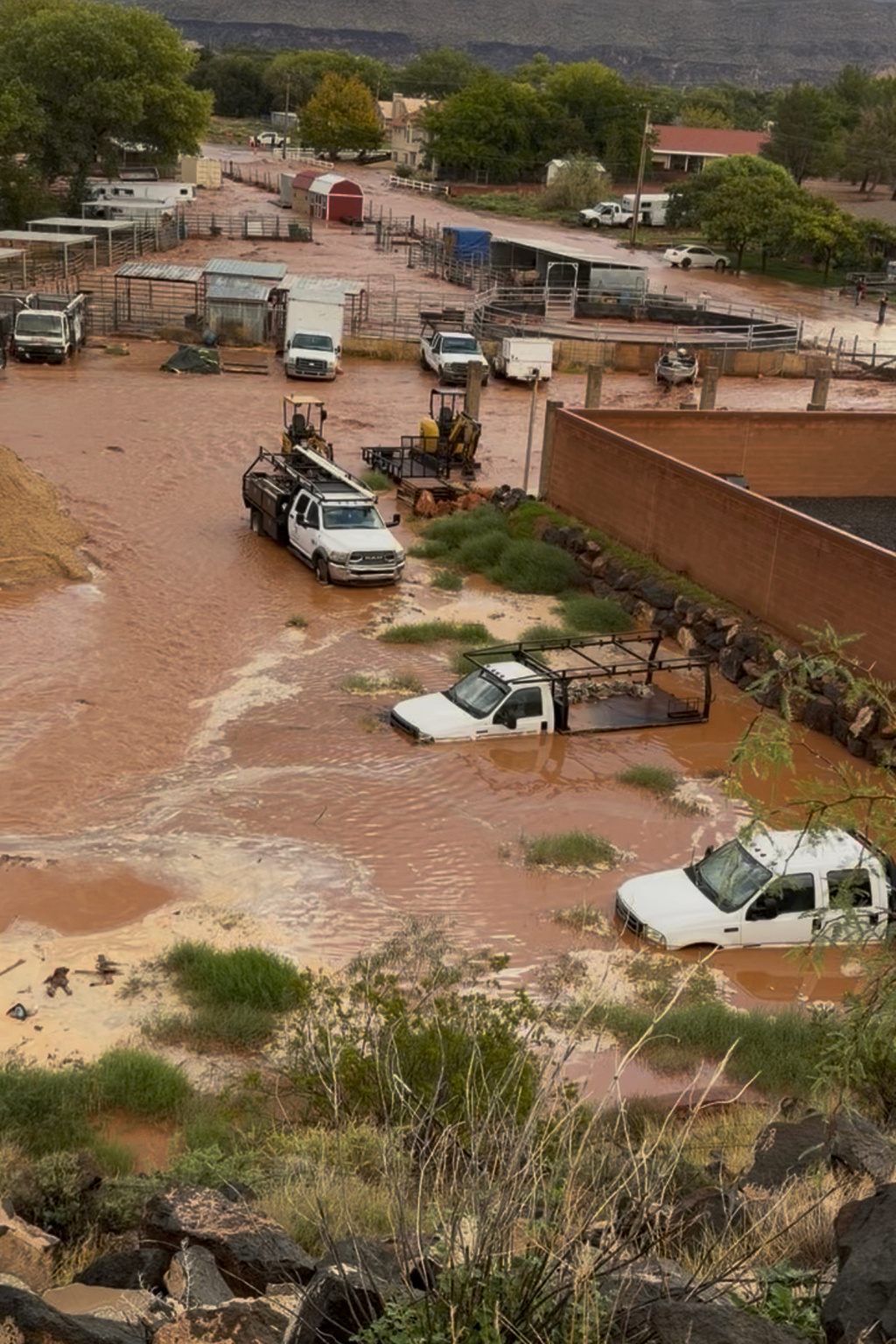
Last update: 9 hours agoWildfire Risk: New Hampshire’s wildfire danger reached “high” statewide for the first time in months, as sunny weather dried fallen leaves and other forest-floor fuel. Changing Mountain Ecosystems: A 41-year satellite study found widespread greening in northeastern alpine zones, including the White Mountains, raising new conservation concerns as the climate warms. Flood Resilience: FEMA approved more than $6.6 million for New Hampshire projects, including $452,000 for Littleton culvert and stormwater improvements; most of the funding reimburses storm repairs. Invasive Species: The state is directing emergency funding to curb the spread of spotted lanternflies.
Note: AI summary from news headlines; neutral sources weighted more to help reduce bias in the result. Feedback is welcome. Please let us know if you have any comments or suggestions about the AGP Executive Report.

 Perspectify News